
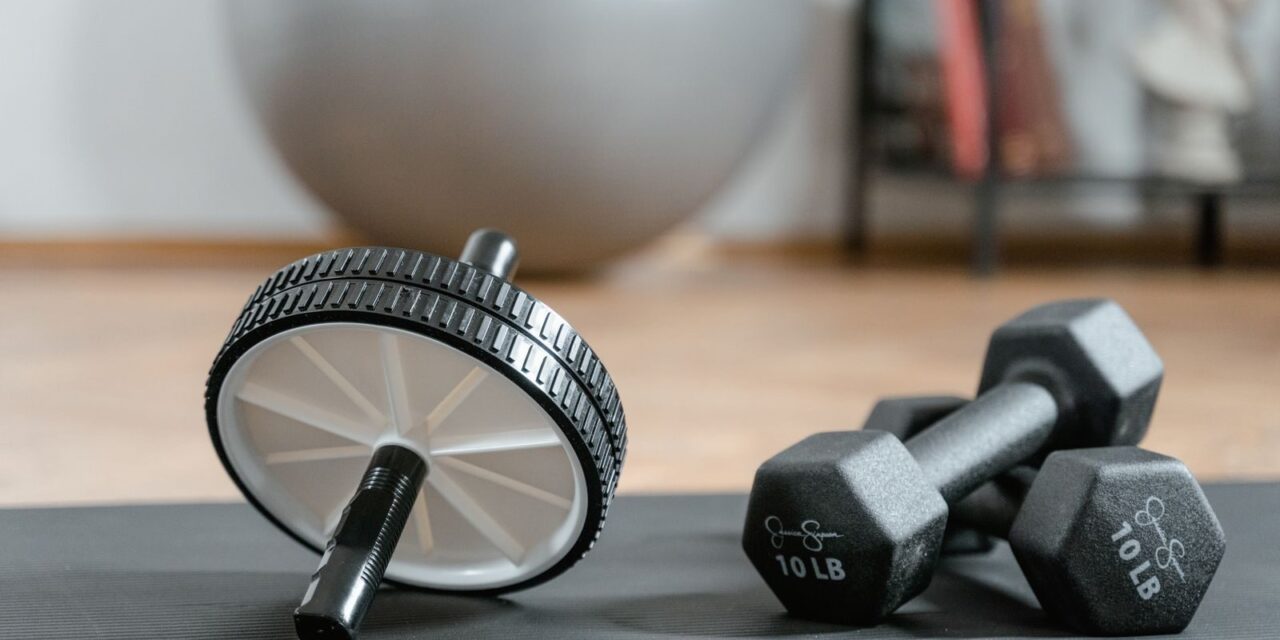
For homeowners planning wellness space remodeling, the goal often sounds simple: a room that supports workouts, calm, and recovery at home. The challenge is just as clear, most houses can’t spare three separate areas, and a poorly planned multipurpose room design can turn into a cluttered catch-all that no one wants to use. When a flexible fitness area has to share space with home relaxation spaces, every choice needs to earn its place and protect the room’s sense of ease. Done well, one room can become a steady wellness hub that fits real life.
Understanding a Multipurpose Wellness Room
A multipurpose wellness space is planned to support your whole routine, not a single activity. The core idea is flexibility with intention: one layout that smoothly handles movement, quiet, and recovery. That works best when fitness and restoration are designed together, space is used wisely, clutter is contained, and the room supports wellbeing as a whole.
This matters because a calm room is easier to use consistently. When gear is stored, transitions are quick, and the atmosphere feels restorative, you are more likely to move, stretch, and downshift on busy days. The room stays inviting instead of turning into a stress corner.
Think of it like a well-packed carry-on. A few versatile items do more than a pile of single-use stuff, so you can go from a short workout to breathwork in minutes. Built-in boundaries, like zones and storage, keep the room ready. With the concept clear, it becomes easier to plan costs and protect your budget from surprise repairs.
Protect Your Remodel Budget From Surprise Breakdowns
A flexible wellness room works best when its comfort and performance hold up day after day, not just right after the remodel. Because the space may be used frequently for workouts, recovery sessions, and quiet relaxation, the systems behind the scenes can end up working harder over time. Heating and cooling may run more often to keep temperatures steady, and electrical components may see heavier routine use as you power fans, lighting, and other equipment. That kind of regular demand can contribute to normal wear and tear, even in a well-designed room.
That’s why it can be worth considering a home warranty as part of your long-term budget planning. A home warranty service agreement may help cover the repair or replacement of essential home systems, such as heating, cooling, and electrical, when covered items fail from everyday wear, helping you avoid the sticker shock of an unexpected repair bill. If you’re comparing options, reviewing the best home warranties can help you understand what coverage might fit your home and priorities.
With protection in mind, you’ll be better positioned to focus next on the practical design choices, layout, storage, lighting, and materials, that make the room feel functional without feeling crowded.
Use This 4-Part Plan: Layout, Storage, Lighting, Materials
A wellness room works best when it’s planned like a flexible studio, not a pile of gear next to a treadmill. Use this four-part plan to make the space feel intentional, comfortable, and easy to maintain.
- Map three zones before you buy anything: Start wellness room layout planning with tape on the floor: a Move zone (strength/cardio), Restore zone (stretching/meditation), and Support zone (water, towels, chargers). Keep the Move zone closest to ventilation and the Support zone near an outlet, then give the Restore zone the quietest corner. This simple zoning prevents the “gym-in-a-corner” feel because every item has a purpose and a home.
- Design for clearances, not just square footage: Use ergonomic design principles to set safe “working bubbles” around equipment and bodies in motion. As a baseline, reserve about 6–7 ft x 4–6 ft of open floor for mat work and flows, and keep a clear walk path so you’re not stepping over weights. If you share the room with a guest bed or desk, set “conversion rules” like “floor stays empty” so switching modes takes minutes, not frustration.
- Build storage that resets the room in 60 seconds: Storage solutions for multipurpose rooms work best when they’re visible, reachable, and grouped by activity. Create three grab-and-go kits, strength (bands, small weights), recovery (rollers, massage balls), calm (blanket, eye pillow), and store each in its own bin or drawer. Add one “landing shelf” near the door for keys/water so the room doesn’t become overflow storage.
- Prioritize daylight, then layer lighting by task: Put your Restore zone where you naturally get the best morning or late-afternoon light, then use adjustable shades to prevent glare during workouts. For artificial lighting, layer ambient (general ceiling light), task (a focused light near a mirror or stretching corner), and low-glare options for wind-down routines. Because an additional 15 percent of Canadians report having mood changes with seasonal differences, a bright, consistent lighting plan can be a practical comfort feature, not just a design choice.
- Choose durable, cleanable materials where sweat and impact happen: Durable materials for home wellness spaces should handle moisture, scuffs, and frequent wiping. Use a resilient floor surface in the Move zone, add a washable wall finish behind where shoes or weights may touch, and place a large, non-slip mat where you’ll do most floor work. This reduces long-term wear that can trigger surprise repairs, an easy way to protect the budget you’ve already planned for, especially if you’re also counting on home protections to reduce expensive breakdown shocks.
- Add “built-in ergonomics” so the room stays comfortable: Mount mirrors where your head stays neutral (no constant neck craning), keep frequently used items between waist and shoulder height, and place a small bench or sturdy chair for shoes, stretching, or post-workout breathing. If sound is an issue, use soft materials, rugs in the Restore zone, curtains, or fabric panels, to cut echo without making cleaning harder.
Wellness Room FAQs Homeowners Ask First
Q: What does it usually cost to remodel a wellness room?
A: Costs vary most based on flooring, electrical work, and storage, not the equipment itself. Start by pricing “must-haves” like a durable floor surface and one storage wall, then add equipment over time. Getting two or three quotes for any electrical or flooring work helps prevent budget surprises.
Q: How much space do I realistically need for a flexible setup?
A: Many homeowners do well with a small, open area for mat work plus a tucked-away storage footprint. If the room is tight, choose foldable gear and wall-mounted storage so the floor can clear quickly. Measure door swings and walking paths before buying anything large.
Q: How do I keep equipment clean without turning it into a weekly project?
A: A simple cleaning checklist keeps upkeep predictable and fast. Keep wipes and a small towel bin in the room so cleaning happens right after use.
Q: Should I schedule professional maintenance for treadmills or bikes?
A: Yes if you use them often or notice noise, wobble, or inconsistent resistance. A professional maintenance visit can handle safety checks and adjustments that are hard to DIY.
Q: How long does a typical wellness room remodel take?
A: Cosmetic updates can take a weekend or two, while flooring and electrical changes often take a few weeks once materials arrive. Build in extra time for deliveries and one buffer week for surprises.
Turn One Room Into an Integrated Wellness Environment—Step by Step
Balancing workouts, recovery, and quiet time at home can feel impossible when space is limited and decisions seem expensive or irreversible. A purposeful home remodeling mindset, define needs first, then design for flexible use, keeps the project grounded in real life rather than wish lists. The payoff is a room that supports enhanced mental and physical health, delivers space efficiency improvements, and provides long-term wellbeing benefits as routines change. Design for your life now, and let the space grow with you. Choose your next step: sketch the room, prioritize your top two wellness activities, and map a small first phase. That steady approach builds an integrated wellness environment that strengthens resilience and daily health over time.